PRI 26.1

Prisons Reintegration Report 26.1

PRI REPORT 26.1

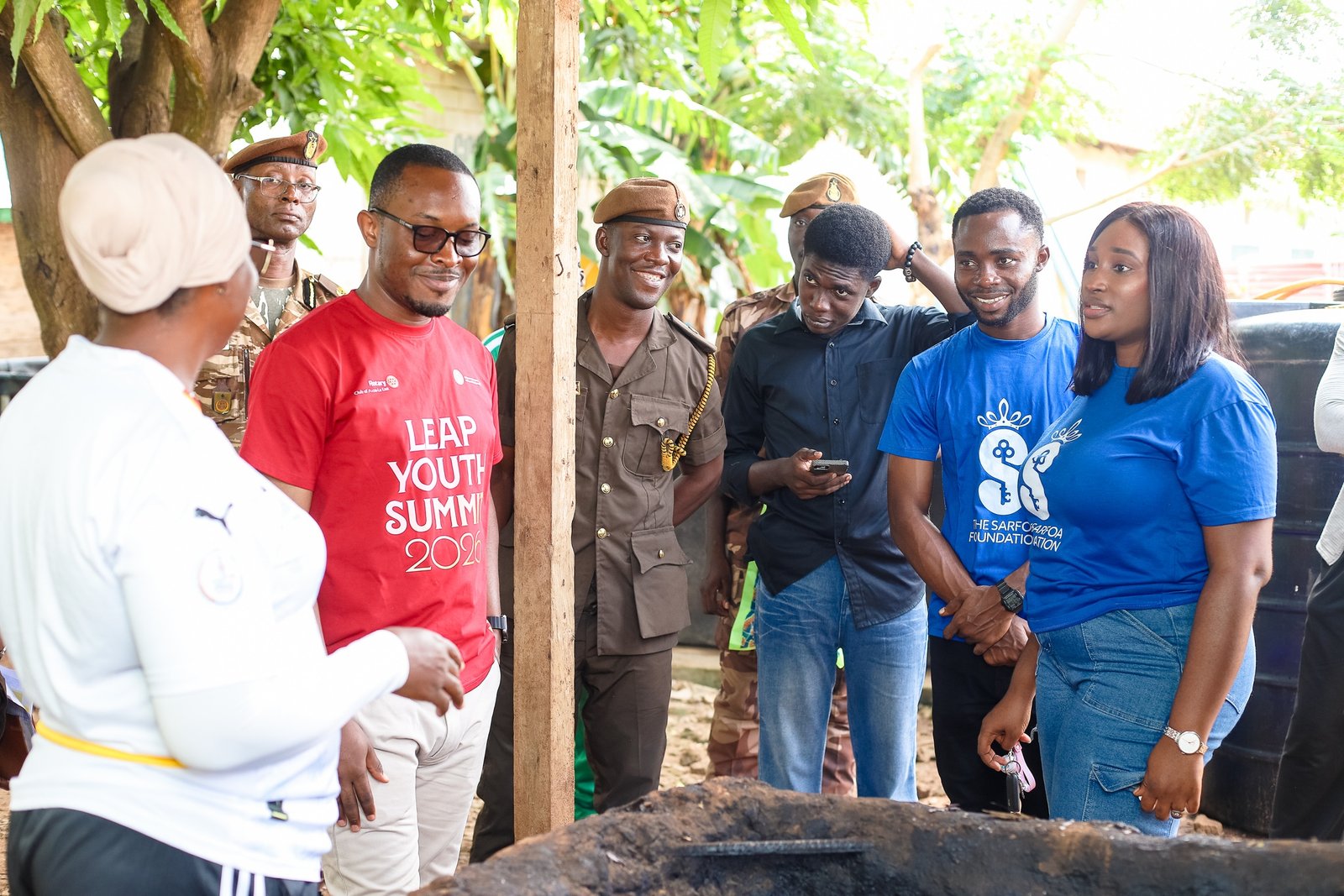
On Friday, 31st July 2026, The Sarfoa Foundation undertook a courtesy outreach visit to the Senior Correctional Centre of the Ghana Prisons Service. The visit formed part of the Foundation’s commitment to promoting rehabilitation, skills development, and improved welfare within Ghana’s correctional institutions. It also fulfilled the Foundation’s intention to revisit the Centre following the completion of major refurbishment works undertaken in 2022. The objectives of the visit were to assess the condition and utilization of the refurbished facilities, engage management on the Centre’s current operational needs, and identify areas where the Foundation could provide further support. These objectives were outlined in the Foundation’s request for permission to undertake the outreach visit.

The delegation was warmly received by the management and staff of the Senior Correctional Centre, who expressed profound appreciation to The Sarfoa Foundation for its continued interest in the welfare and rehabilitation of inmates. Discussions with management and observations made during the tour reaffirmed the positive impact of the Foundation’s previous intervention while highlighting several operational challenges that require attention.

PURPOSE OF VISIT

The visit was undertaken to achieve the following objectives:

  • To inspect the refurbished IT Laboratory and other facilities previously supported by the Foundation.
  • To evaluate the extent to which the refurbishment has benefited the Centre’s rehabilitation programmes.
  • To engage management on the current operational challenges confronting the Centre.
  • To identify priority areas for future interventions by The Sarfoa Foundation.
  • To interact with staff and obtain first-hand information on the evolving needs of the institution.

General Observations

The visit revealed that the Foundation’s previous intervention has had a significant and lasting impact on the Centre.

One of the most encouraging observations was the excellent condition of the refurbished IT facility. The tiled flooring installed during the Foundation’s earlier intervention remains intact and in excellent condition, demonstrating the quality and durability of the refurbishment works.

Management indicated that the refurbished IT facility has become one of the Centre’s most valuable learning and administrative spaces. Beyond serving as an ICT training facility for inmates, the Centre also uses the space to host conferences, meetings, workshops, and other institutional engagements. According to management, the availability of this modern learning environment has greatly improved the Centre’s capacity to organize educational and administrative activities.

The management also proudly informed the Foundation that the chairs donated to the IT facility have contributed significantly to the Centre’s participation in various competitions. The improved learning environment has enabled inmates to prepare effectively for academic and vocational activities, with the Centre successfully utilizing the facility to achieve commendable results in competitions.

The Foundation was pleased to note that the investments made in 2022 continue to serve their intended purpose and remain beneficial to both management and inmates.

Assessments of IT Facility

Positive Outcome

The laboratory continues to function effectively.

The laboratory continues to function effectively.

The tiled floor remains in excellent condition.

The donated chairs continue to be fully utilized.

The facility also serves as a conference and meeting venue.

The improved environment has supported the Centre's participation in competitions.

The laboratory provides a conducive learning environment for ICT-related training.

Challenges Identified at the IT Laboratory

Despite the remarkable progress made, management identified a number of pressing challenges affecting the effective utilization of the IT Laboratory.

Internet Connectivity: The most significant challenge is the absence of reliable internet connectivity.

Management explained that the lack of internet or Wi-Fi access limits the educational opportunities available to inmates, particularly those pursuing ICT-related training and academic programmes. Without internet access, inmates are unable to access current educational resources, conduct research, participate in online learning opportunities, or develop digital competencies required in today’s technology-driven world.

To address this challenge, management requested the support of the Foundation in providing wireless routers and internet connectivity equipment to facilitate uninterrupted internet access within the laboratory.

Printer for Graphic Design Work: Management also indicated the need for a high-quality printer to support graphic design and other practical ICT training programmes.

The availability of a printer would enable inmates undertaking graphic design and related courses to print and present their practical work, thereby enhancing the quality of vocational training delivered at the Centre.

Challenges Identified in Other Units

The visit extended beyond the IT Laboratory to various operational units within the Centre. Discussions with unit heads revealed several challenges that continue to affect service delivery.

Reception: The Reception Unit identified several infrastructure and logistical constraints, including:

  • The need for a more permanent and secure partitioning.
  • Inadequate storage facilities for inmates’ personal belongings due to the absence of lockers.
  • Insufficient logistics, particularly printers and filing cabinets for administrative work.
  • The absence of a washroom facility for visitors.

Counselling Unit: The Counselling Unit reported several operational challenges affecting inmate rehabilitation.

These include:

  • Inadequate office space.
  • Lack of private counselling rooms.
  • Difficulty in conducting confidential counselling sessions.
  • Challenges with effective follow-up after inmates leave the facility.
  • The need for stronger collaboration with the Department of Social Welfare.
  • Limited transportation and financial resources.
  • Capacity-building programmes for officers in contemporary counselling approaches.

Infirmary: The Centre’s infirmary continues to face healthcare-related challenges.

Management indicated the need for:

  • Increased stocks of specialized medication.
  • Sterilizing machines and other essential medical equipment to improve healthcare delivery.

Barbering Shop: The Barbering Unit identified several equipment-related challenges.

These include:

  • Faulty air-conditioning systems.
  • The need to upgrade facilities to accommodate additional trainees of the barbering services.
  • Faulty and insufficient barbering machines.

Management indicated that upgrading this unit would significantly enhance vocational training opportunities for inmates.

Shoe and Leather Workshop: The Shoe and Leather Production Unit continues to contribute to vocational skills development but requires additional support.

The unit identified the following needs:

  • Electric and industrial irons.
  • Installation of ceilings within the workshop.
  • Additional leather and other production materials.
  • Repair works on the shoe-making machines.
  • Improved marketing opportunities for products manufactured by inmates.

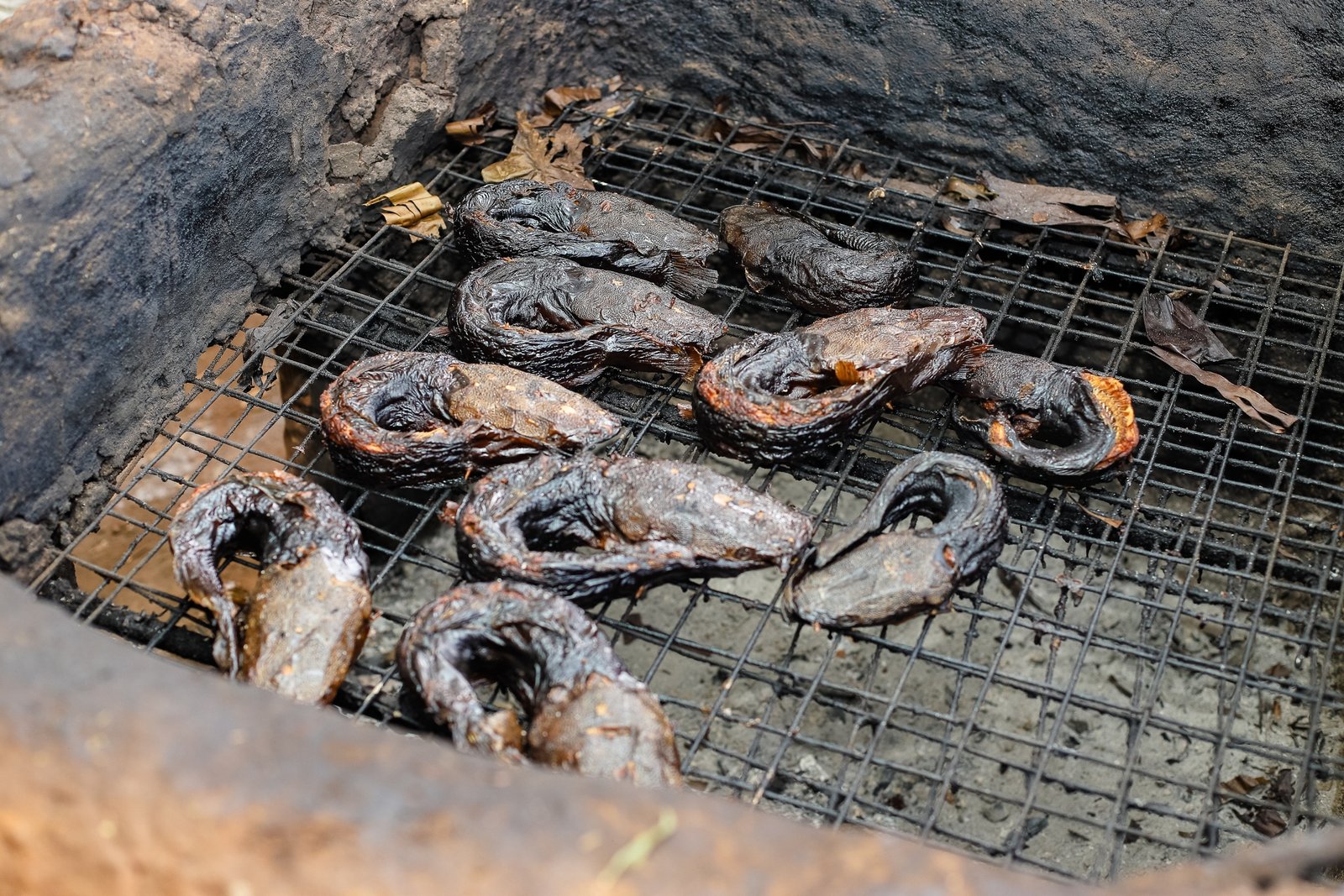
Fish and Poultry Unit: The Fish and Poultry Unit appealed for increased support in the marketing its products.

Management explained that creating sustainable market opportunities would improve income generation and strengthen vocational rehabilitation programmes.

Overall Assessment

The visit clearly demonstrated that The Sarfoa Foundation’s previous intervention has yielded significant and sustainable benefits.

The refurbished IT Laboratory remains fully operational and continues to support both educational and administrative activities within the Centre. The quality of the refurbishment, particularly the tiled flooring, remains evident, while the donated furniture continues to provide value in supporting learning, conferences, and institutional programmes.

The appreciation expressed by management reflects the positive impact of the Foundation’s investment in creating a conducive environment for rehabilitation and skills development.

However, the visit also highlighted several infrastructure, logistical, and equipment gaps that continue to constrain the Centre’s ability to deliver rehabilitation services at the highest level. Addressing these challenges would further strengthen inmate rehabilitation and improve operational efficiency.

Recommendations

Based on the observations made during the visit, the following recommendations are proposed:

Information Technology Laboratory

  • Provide wireless routers and internet connectivity equipment.
  • Procure a high-quality printer to support graphic design and ICT training.

Reception

  • Construct a permanent partition.
  • Provide lockers for inmate property.
  • Supply printers and filing cabinets.
  • Construct a washroom for visitors.

Counselling Unit

  • Expand counselling facilities to ensure privacy.
  • Strengthen collaboration with Social Welfare institutions.
  • Support staff capacity-building programmes.
  • Provide logistical support, including printers and transportation.

Infirmary

  • Supply specialized medications.
  • Procure sterilizing machines and other essential medical equipment.

Barbering Unit

  • Repair or replace air-conditioning systems.
  • Upgrade barbering equipment.
  • Expand facilities to include beauty and hair styling services.

Shoe and Leather Workshop

  • Procure industrial and electric irons.
  • Install ceilings within the workshop.
  • Supply additional leather and production materials.
  • Repair shoe-making machines.
  • Facilitate market access for inmate-produced goods.

Fish and Poultry Unit

  • Support market development initiatives to improve sales and sustainability.

Conclusion

The Sarfoa Foundation's outreach visit to the Senior Correctional Centre reaffirmed the Foundation's enduring commitment to supporting rehabilitation and human development within Ghana's correctional system. It was particularly gratifying to observe that the Foundation's 2022 refurbishment of the IT facility continues to make a meaningful impact. The facility remains in excellent condition, with the tiled flooring intact and the donated furniture being put to productive use. Beyond ICT instruction, the laboratory has evolved into a multipurpose space that accommodates conference meetings and has contributed to the Centre's success in various competitions.

While these achievements are commendable, the visit also underscored the need for continued investment in critical areas such as internet connectivity, ICT equipment, healthcare, counselling, vocational training, and administrative infrastructure. Addressing these needs will further strengthen rehabilitation programmes, enhance skills development, and improve the overall welfare of inmates and staff.

The Sarfoa Foundation expresses its sincere appreciation to the Officer-in-Charge, management, and staff of the Senior Correctional Centre for their warm reception, openness, and constructive engagement. The Foundation remains committed to working collaboratively with the Ghana Prisons Service to support initiatives that foster rehabilitation, reintegration, and positive transformation within Ghana's correctional institutions.